Hanging Gardens

About

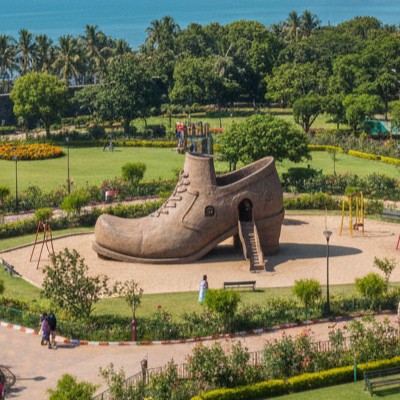
Hanging Gardens, officially known as Pherozeshah Mehta Gardens, is one of Mumbai’s most iconic hilltop spaces and a favourite retreat for locals and tourists alike. Perched on the western side of Malabar Hill, the garden offers an elevated view of the Arabian Sea, Marine Drive and the lush neighbourhood surrounding it. Developed in the late 1800s and later expanded, the garden was created to serve as a protective layer for the nearby reservoir while also providing a peaceful recreational area for the public. Today, it stands as a perfect blend of nature, city charm and old-world character.

Visitors instantly notice the beautifully arranged terraces, shaped on multiple levels to create a flowing, layered landscape. The garden features well-maintained walking paths, colourful floral beds and its most famous attraction: the whimsical animal-shaped topiaries that have been a part of its identity for decades. These living sculptures are a favourite photo spot and a delight for children. Throughout the day, the garden welcomes joggers, morning walkers and families looking for a calm break amid greenery.

Tourists especially appreciate the serenity and the panoramic views that extend towards Chowpatty Beach and the Queens Necklace. The evenings offer a soft golden light, perfect for photography, while early mornings are ideal for enjoying cool breezes and quiet corners. Hanging Gardens is not just a sightseeing place but a space where people come to relax, meditate, read or simply enjoy a slow-paced moment.

Interesting highlights:

  • It sits directly above the Bombay Water Works reservoir.

  • Known for its old heritage-style layout designed in the late 19th century.

  • The garden’s terraced structure provides natural vantage points for city views.

  • Its topiary animals are some of Mumbai’s most recognisable botanical features.

  • The location is often paired with a visit to Kamla Nehru Park, just across the street.

Overall, Hanging Gardens remains one of Mumbai’s most charming and family-friendly attractions, offering a refreshing mix of nature, heritage and scenic city views that appeal to all age groups.
History

Hanging Gardens, officially known as Pherozeshah Mehta Gardens, has a long and fascinating history connected to the development of South Mumbai. The garden was originally laid out in the late 19th century as part of an important civic project. Its purpose was twofold: to beautify the hilltop area of Malabar Hill and to protect the nearby water reservoir of the Bombay Water Works from possible contamination. Named after Pherozeshah Mehta, a prominent lawyer and political leader, the garden reflects the city's early efforts toward creating structured public spaces.

Key highlights:

  • The garden was developed around 1881 as part of municipal planning.
  • Named after Pherozeshah Mehta, known for his contribution to city administration.
  • Created to safeguard the vital water reservoir located directly beneath it.
  • Designed with terraced layers, a unique feature uncommon in Mumbai parks at that time.
  • Over the years, the topiary animals and patterned hedges became iconic features.


Through decades, Hanging Gardens has remained a symbol of Mumbai's heritage, greenery and civic foresight.


Facts & Figures

Hanging Gardens, or Pherozeshah Mehta Gardens, features a collection of unique structural and natural elements that make it one of Mumbai's most recognisable hilltop attractions.

Spread across a terraced layout, the Hanging Gardens blends heritage landscaping with functional civic planning. Its elevated position at Malabar Hill gives it an advantage both as a sightseeing point and as a protective cover for the water reservoir beneath.

Key facts and figures:

  • Located approximately 300 feet above sea level.
  • Established around 1881 as a protective layer over the reservoir.
  • Features terraced garden architecture designed across multiple levels.
  • Known for its famous animal-shaped topiary structures.
  • Covers an estimated area of about 10 acres.
  • Offers views of the Arabian Sea, Marine Drive and Chowpatty Beach.


These details highlight how Hanging Gardens continues to balance beauty, utility and heritage.


Current Scenario

Hanging Gardens continues to be one of Mumbai's most maintained and frequently visited green spaces. In the present day, the garden remains clean, organised and well-preserved through regular municipal upkeep.

The terraced pathways, flower beds and topiary figures are refreshed seasonally, ensuring that visitors always experience a vibrant and welcoming environment. The location attracts morning walkers, families, tourists and photography enthusiasts throughout the day, especially during sunrise and sunset.

Current scenario highlights:

  • Consistently maintained by local civic authorities.
  • Popular with walkers and families during early mornings and evenings.
  • Seasonal plants and flowers are added throughout the year.
  • Security personnel are present during visiting hours.
  • Lighting has been improved for better visibility after sunset.
  • Often paired with visits to Kamla Nehru Park across the street.


Overall, Hanging Gardens remains an active and peaceful public space that continues to offer scenic views, fresh air and a refreshing break from Mumbai's busy city life.

0311
Botanical Features & Landscape Design

Hanging Gardens is admired not only for its views but also for its distinctive botanical features and thoughtful landscape design. The terraced layout, spread across multiple levels of Malabar Hill, creates a natural amphitheatre-like setting where greenery unfolds in layers. Each terrace is lined with seasonal plants, manicured lawns and a mix of native and ornamental species that thrive in Mumbai's coastal climate.

Key botanical and design highlights:

  • Famous for its animal-shaped topiary installations made from densely pruned shrubs.
  • Features a variety of flowering plants that change with the season.
  • Pathways are bordered with hedges trimmed into geometric patterns.
  • The layered terraces allow sunlight to fall evenly throughout the day.
  • Landscaped to complement the natural contours of Malabar Hill.
  • Designed to offer shaded and open areas for walkers and visitors.


These features together create a refreshing, picturesque environment that appeals to nature lovers, photographers and visitors seeking a quiet escape.


Best Time to Visit

Hanging Gardens is pleasant to visit throughout the year, but certain seasons enhance the overall experience due to favourable weather and clearer views.

The mild months from November to February are considered the best, as the climate is cool and ideal for walking, photography and enjoying panoramic views of Marine Drive and the Arabian Sea. Early mornings and evenings are particularly refreshing, offering gentle light and a peaceful ambience.

Best time details:

  • November to February offers the most comfortable weather.
  • Early mornings are ideal for walkers and sunrise views.
  • Evenings provide beautiful golden light and cooler temperatures.
  • Avoid peak summer afternoons due to heat and humidity.
  • Monsoon visits are possible but may include slippery paths and limited views.


Overall, Hanging Gardens is best enjoyed during cooler months and softer daylight hours.


Timings, Entry Fees & Rules

Hanging Gardens operates as a free and open public space where visitors can enjoy peaceful walks, greenery and scenic views throughout the day.

The garden follows fixed timings to ensure maintenance and safety, and although there is no entry fee, certain basic rules help preserve its clean and calm environment. These timings and guidelines make the garden suitable for families, walkers and tourists who prefer a relaxed outdoor experience.

Details about timings, fees and rules:

  • Open daily from 5:00 AM to 9:00 PM.
  • No entry fee for all visitors.
  • Photography is allowed, including mobile and personal cameras.
  • Avoid climbing on topiary structures or restricted garden areas.
  • Pets may not be allowed in certain sections.
  • Visitors are expected to avoid littering and maintain cleanliness.
  • Best hours: early morning and evening.

Disclaimer: Timings and rules may change without prior notice. Visitors are advised to check local updates or contact the authorities for accurate information.

0611
How to Reach

Hanging Gardens is located on Malabar Hill, one of Mumbai's most accessible and well-connected neighbourhoods. Visitors can reach the garden easily using multiple transport options, including air, rail, road and metro routes. Its central position in South Mumbai makes it convenient for both locals and tourists. How to reach details:

By Air

  • The nearest airport is Chhatrapati Shivaji Maharaj International Airport, about 20 to 25 km away.
  • From the airport, visitors can take a taxi or cab via the Western Express Highway and Pedder Road.
  • Travel time is usually 45 to 70 minutes depending on traffic.


By Train

  • The nearest railway station is Charni Road on the Western Line.
  • Visitors can take a taxi or BEST bus uphill toward Malabar Hill.
  • Churchgate and Mumbai Central are also good access points.


By Road / Metro

  • Accessible via Marine Drive, Walkeshwar Road and Hughes Road.
  • Local buses connect to Churchgate, CST and Mumbai Central.
  • Upcoming metro routes will improve connectivity once operational.
  • Nearby landmarks include Kamla Nehru Park, Banganga Tank and Walkeshwar Temple.


Tips & Hacks

Hanging Gardens is a peaceful location, but a few smart tips can help visitors enjoy their trip even more. Whether you're coming for a walk, photography or a family outing, these suggestions ensure a smooth and comfortable experience.

The garden is best enjoyed during the early hours or later in the evening when the breeze is pleasant and crowds are moderate.

Useful tips and hacks:

  • Visit during early morning or late evening for cooler weather.
  • Carry water, especially in summer, as refreshment stalls may be limited nearby.
  • Photography is easy thanks to open spaces, but avoid climbing topiary structures.
  • Wear comfortable footwear since the garden includes multiple terraces and pathways.
  • Senior citizens may prefer the lower terraces to avoid steep sections.
  • Keep valuables secure as the area may get crowded during peak hours.
  • Avoid visiting immediately after heavy rain due to slippery paths.

These tips help ensure a safe and pleasant visit to Hanging Gardens.


Recommendations for Tourists

Hanging Gardens offers a relaxing experience for all kinds of visitors, whether they are exploring Mumbai for the first time or revisiting the city's classic attractions.

With its peaceful ambience, scenic viewpoints and easy accessibility, the garden is suitable for both short visits and slow-paced outings. Recommendations for tourists:

For Local Tourists

  • Ideal spot for a refreshing walk or a quiet break from the city rush.
  • Combine the visit with nearby places like Kamla Nehru Park and Walkeshwar Temple.
  • Early morning is perfect for fitness routines and photography.


For International Tourists

  • A great introduction to Mumbai's natural side and coastal beauty.
  • Consider hiring a local guide for insights into Malabar Hill and heritage spots.
  • Sunset views offer excellent photo opportunities of Marine Drive.


Suggested Visit Plan

  • Spend 30 to 60 minutes exploring the terraces and viewpoints.
  • Pair the visit with nearby attractions for a half-day itinerary.
0911
Food Courts / Food Options Nearby

Food options near Hanging Gardens mainly include cafés, family restaurants and popular street-food joints around Malabar Hill, Chowpatty and Walkeshwar.

Visitors can choose from budget snacks to mid-range meals depending on their preference. Since the garden does not have an in-house food court, most people enjoy refreshments nearby or head to Girgaon Chowpatty for classic Mumbai flavours.

Food options nearby:

  • Café options at Walkeshwar serving sandwiches, tea and coffee. Approx. ₹150 to ₹300 per person.
  • Family restaurants near Chowpatty offering North Indian, Jain and Chinese cuisine. Approx. ₹300 to ₹600 per person.
  • Street-food stalls at Girgaon Chowpatty serving bhel puri, pav bhaji and kulfi. Approx. ₹80 to ₹200 per person.
  • Bakeries and snack shops at Hughes Road. Approx. ₹100 to ₹250 per person.


Must-Try Items (Normal & Budget):

  • Pav Bhaji at Chowpatty – around ₹120 to ₹180.
  • Bhel Puri and Sev Puri – around ₹40 to ₹80.
  • Fruit juices and coconut water – around ₹50 to ₹120.


Suggested Food Options:

  • Quick snacks before a morning walk.
  • A light meal at Chowpatty after sunset viewing.
  • Bakery items from Hughes Road.


Additional Notes / Fun Facts

Hanging Gardens has several charming elements and stories that add to its popularity among locals and tourists. Beyond its greenery and views, the garden holds cultural and nostalgic value for generations of Mumbai residents.

Fun facts and additional notes:

  • The garden is built directly over a water reservoir known as the Bombay Water Works.
  • Its animal-shaped topiary figures are among the oldest of their kind in Mumbai.
  • It is one of the best places in South Mumbai to watch sunsets over the Arabian Sea.
  • The garden has appeared in several Bollywood films.
  • Early morning yoga and walking groups are often seen here.
  • It is one of the oldest public gardens in the Malabar Hill area.


These small details reflect the charm and lasting appeal of Hanging Gardens.

2749


Places Nearby Hanging Gardens
Frequently Asked Questions
Q1: What are the visiting hours of the Hanging Gardens in Mumbai?
A1: The Hanging Gardens in Mumbai are open from 5:00 AM to 9:00 PM every day.
Q2: Is there any entry fee to visit the Hanging Gardens in Mumbai?
A2: There is no entry fee to visit the Hanging Gardens in Mumbai; entry is completely free for all.
Q3: What is the best time to visit the Hanging Gardens in Mumbai?
A3: The best time to visit the Hanging Gardens in Mumbai is between November and February, especially during early mornings or evenings.
Q4: How do I reach the Hanging Gardens from Charni Road station?
A4: From Charni Road, you can take a taxi or a BEST bus uphill to reach the Hanging Gardens on Malabar Hill.
Q5: Is photography allowed at the Hanging Gardens in Mumbai?
A5: Yes, photography is allowed at the Hanging Gardens in Mumbai, including mobile and personal cameras.
Q6: What is the official name of the Hanging Gardens in Mumbai?
A6: The official name of the Hanging Gardens in Mumbai is Pherozeshah Mehta Gardens.
Q7: Are pets allowed inside the Hanging Gardens in Mumbai?
A7: Pets may not be allowed in certain sections of the Hanging Gardens in Mumbai, so visitors should check restrictions at the entrance.
Q8: How much time is needed to explore the Hanging Gardens in Mumbai?
A8: Most visitors spend around 30 to 60 minutes exploring the Hanging Gardens in Mumbai.
Q9: Is the Hanging Gardens suitable for senior citizens?
A9: Yes, the Hanging Gardens is suitable for senior citizens, though they may prefer the lower terraces to avoid steep pathways.
Q10: What are the nearby attractions to the Hanging Gardens in Mumbai?
A10: Nearby attractions to the Hanging Gardens in Mumbai include Kamla Nehru Park, Banganga Tank, Walkeshwar Temple and Chowpatty Beach.
Q11: Can I watch the sunset from the Hanging Gardens in Mumbai?
A11: Yes, the Hanging Gardens in Mumbai offer beautiful sunset views over the Arabian Sea and Marine Drive.
Q12: Is the Hanging Gardens wheelchair accessible?
A12: Some parts of the Hanging Gardens are accessible, but the terraced structure may limit movement for wheelchair users.
Q13: Are food stalls available near the Hanging Gardens?
A13: There are no major food stalls inside the Hanging Gardens, but nearby areas like Walkeshwar and Chowpatty offer several options.
Q14: Is it safe to visit the Hanging Gardens in the evening?
A14: Yes, the Hanging Gardens is generally safe in the evening, with improved lighting and security staff during visiting hours.
Q15: Why are the animal-shaped topiaries famous at the Hanging Gardens?
A15: The animal-shaped topiaries at the Hanging Gardens are famous because they are among the oldest botanical sculptures in Mumbai.